

Industry Analysis: How to Match High-Efficiency Filter Driers for HVAC & Refrigeration Systems
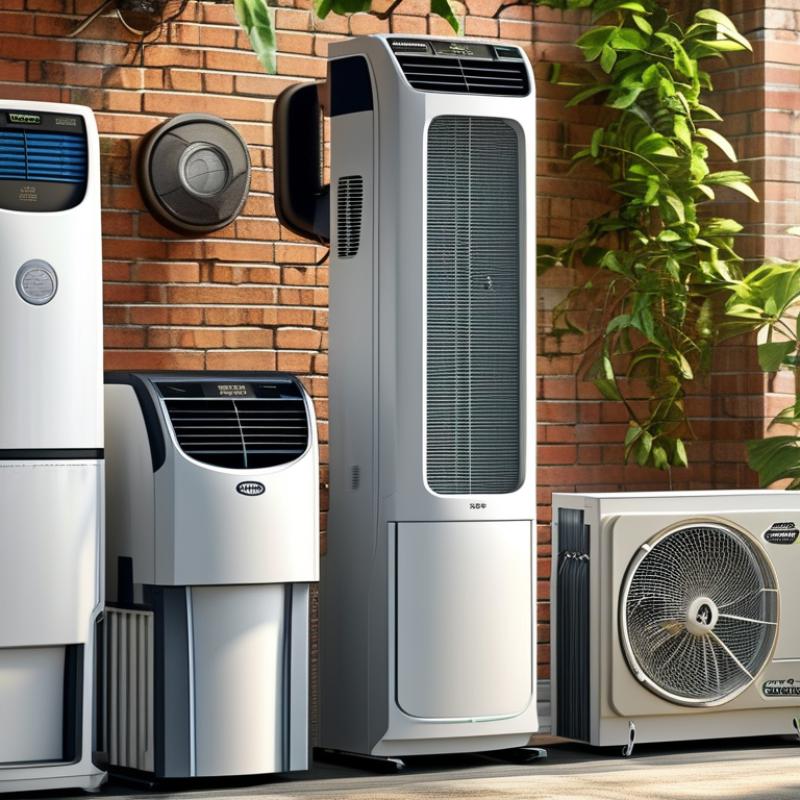
Various types of filter driers are available on the market, such as R-134a specific driers and copper driers, each engineered for specific refrigerant characteristics. Ensuring compatibility between the filter drier and the system's refrigerant meets technical standards while serving as the baseline for controlling moisture and maintaining stable operation. Overlooking refrigerant and filtration component compatibility can adversely affect system performance.
Industry technicians note that filter drier selection requires a comprehensive evaluation of system design architecture and operating environmental conditions. Because no single solution fits all applications, reviewing manufacturer technical specifications and verifying relevant parameters remains the standard procedure to achieve expected operating metrics.
Operating Principles and Practical Value of HVAC Filter Driers
HVAC filter driers perform the essential task of removing moisture and contaminants from the refrigerant during the refrigeration cycle. Residual moisture within the system can cause metal corrosion or form acidic substances, leading to equipment failure. Installing a compatible filter drier serves as a primary line of defense to ensure long-term, stable operation of refrigeration equipment.
When evaluating refrigeration filter driers, several technical indicators must be assessed. The primary factor is refrigerant type, as different refrigerants exhibit varying moisture absorption capabilities and chemical properties, requiring compatible filter media. Secondary considerations include total cooling capacity and anticipated moisture ingress levels.
In routine operations, periodic inspections and timely replacements prevent common failure modes. Given the structural and operational variations across HVAC installations, consulting technical specialists during selection and maintenance helps reduce long-term operational costs.
Technical Classifications of Common HVAC Filter Driers
Understanding the primary structural configurations of filter driers available in the market assists in precise selection:
Hermetic Filter Driers: Feature a fully welded sealed casing that prevents external moisture and contaminants from entering.
Bi-Flow Filter Driers: Specifically designed for heat pump applications, accommodating bi-directional refrigerant flow with high operational versatility.
Site-Built / Core-Type Filter Driers: Custom-assembled for specific large-scale or specialized systems, requiring installation by certified personnel.
Selecting a specific filter drier configuration requires evaluating equipment installation location, ambient climate conditions, and operating duty cycles. Improper selection may result in increased flow resistance or filtration failure.
Key Factors in Filter Drier Selection
Precise selection requires a thorough evaluation of several system parameters:
Refrigerant Compatibility: Verify chemical compatibility with the specified refrigerant (e.g., R-410A, R-22).
Capacity and Flow Alignment: Match the drier's processing capacity with the overall system mass flow rate.
Design Pressure Rating: Ensure the drier's rated pressure meets or exceeds maximum system design pressure.
Connection Line Sizes: Align connection dimensions directly with existing piping to avoid unnecessary line modifications.
Operating Environment: Select higher moisture absorption capacities for equipment operating in high-humidity conditions.
Maintenance Accessibility: Balance component functional performance with ease of subsequent replacement procedures.
Determining Proper Filter Drier Sizing
Selecting the correct size for a filter drier ensures smooth fluid circulation within the system and prevents overheating or insufficient cooling capacity.
To determine sizing, measure the actual outside diameter of the refrigerant lines and compare it with the recommended guidance in the equipment technical manual. Discrepancies between drier capacity and system size can increase system flow resistance or degrade overall efficiency. Monitoring operating pressures and temperature differentials helps identify potential restrictions or capacity limitations in real time.
Identifying Refrigerant and System Compatibility
Chemical and physical properties vary significantly across different refrigerants. For instance, filter driers specified for R-410A systems are generally incompatible with R-22 systems. Product specification sheets must be strictly reviewed to verify chemical stability under target refrigerant conditions.
Furthermore, residential and commercial systems have distinct requirements regarding drier capacity. Commercial systems generally demand higher contaminant retention and moisture absorption ratings. Reviewing technical evaluation reports or consulting engineering professionals aids in making objective technical evaluations across various brands and models.
Routine Maintenance and Extending Filter Drier Service Life
Regular maintenance routines form the foundation for maintaining high efficiency across the filter drier and the broader system.
Establish Replacement Schedules: Inspect or replace the filter drier every six to twelve months based on usage intensity and environmental conditions.
Maintain Clean Surroundings: Regularly clean dust and debris from the drier and adjacent piping to prevent external contamination.
High-Risk Environment Monitoring: Increase inspection frequency for equipment running in dusty or humid conditions, checking closely for potential connection joint leaks.
Common Pitfalls in Filter Drier Selection
Care should be taken to avoid common errors during the selection process:
Improper Sizing: Undersized driers cannot effectively trap moisture and impurities, while oversized units may cause abnormal refrigerant charge volumes or unnecessary expenditure.
Neglecting Chemical Compatibility: Failing to align the drier with the specific refrigerant type can cause internal desiccant breakdown or mesh failure.
Ignoring Matching Parameters: Purchasing without verifying connection dimensions or pressure ratings against original equipment manufacturer manuals.
Application Analysis of Aluminum Filter Driers in Refrigeration Systems
In refrigeration performance optimization research, the application of aluminum filter driers demonstrates specific technical advantages. These components typically consist of an aluminum alloy shell, copper connection lines, molecular sieves, and dual-stage filtration screens designed to absorb trace moisture and filter particulate debris. Industry research indicates that residual moisture and contaminants accelerate lubricant degradation and component corrosion, serving as primary drivers of efficiency loss.
Test data shows that refrigeration systems equipped with high-efficiency aluminum filter driers maintain stable operation, helping lower energy consumption by up to 15% under specific operating conditions. The molecular sieve within the drier provides selective adsorption, targeting water molecules to maintain refrigerant purity and lower the risk of freeze-ups or acid-induced corrosion. By supporting stable operating pressures and fluid flow, these components contribute to extending overall equipment service life.
Conclusion
Selecting the appropriate HVAC filter drier is fundamental to maintaining stable, efficient operation across heating and cooling systems. From understanding underlying mechanics and structural configurations to verifying refrigerant compatibility, system capacity, and line sizes, each step must adhere to rigorous technical standards. Implementing a structured maintenance program and avoiding common selection errors protects system reliability and extends operational service life.
Ningbo Taojun Refrigeration Equipment Co., Ltd.
Ningbo Taojun Refrigeration Equipment Co., Ltd.
+86 135 6631 9985
Tom3433@163.com
Legal Disclaimer:
EIN Presswire provides this news content "as is" without warranty of any kind. We do not accept any responsibility or liability for the accuracy, content, images, videos, licenses, completeness, legality, or reliability of the information contained in this article. If you have any complaints or copyright issues related to this article, kindly contact the author above.
